

Understanding the psychology of gambling Insights from pin-up
Understanding the psychology of gambling Insights from pin-up
The Allure of Gambling
The psychology behind gambling is intricate, driven by a blend of excitement, risk, and the potential for reward. Many individuals are drawn to the thrill of taking chances, whether it be in a casino or through mobile apps like pin up apk. This excitement often stems from the anticipation of winning, which can trigger the brain’s reward pathways, similar to other pleasurable experiences.
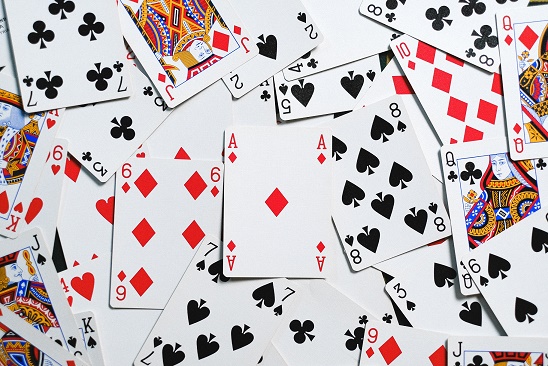
Furthermore, the design of gambling environments plays a significant role in attracting players. The vibrant colors, sounds, and lighting are meticulously crafted to create an immersive experience that keeps players engaged. Understanding these psychological elements helps to elucidate why individuals continue to return to gambling, even in the face of potential losses.
The Role of Cognitive Biases
Cognitive biases significantly influence how gamblers perceive risk and reward. One prevalent bias is the illusion of control, where players believe they can influence the outcome of games purely based on skill rather than luck. This belief can lead to increased gambling behavior, as individuals feel empowered to engage more often.
Additionally, the availability heuristic plays a vital role; when players remember their wins more vividly than their losses, they may overestimate their chances of success. This skewed perception can perpetuate a cycle of gambling, as individuals chase the next win, reinforcing their biases and misjudgments.
The Impact of Social and Emotional Factors
Gambling is not just a solitary activity; it often involves social interactions that can enhance the experience. Many individuals gamble in social settings, which can amplify feelings of camaraderie and collective excitement. This social element can lead to increased engagement, as players feed off each other’s energy and enthusiasm.
Emotional factors, such as stress or boredom, can also drive individuals to gamble. Many people seek out gambling as a means of escape, using it to cope with negative emotions or to fill a void in their lives. Recognizing these emotional triggers is crucial for understanding why some individuals develop problematic gambling behaviors.
Gambling Addiction and Its Consequences
While many enjoy gambling as a form of entertainment, it can lead to addiction for some individuals. Gambling addiction is a serious issue that can have devastating effects on a person’s life, relationships, and finances. Understanding the psychological aspects of this addiction is essential for prevention and treatment efforts.
Treatment often involves addressing the underlying psychological factors that contribute to compulsive gambling. Therapy and support groups can provide individuals with the tools they need to cope with their addiction and understand their behaviors. Raising awareness about the psychological elements of gambling can aid in reducing stigma and encouraging those in need to seek help.

Insights from Pin-Up
Pin-Up offers a unique perspective on the gambling experience, providing insights into player behavior and preferences. By analyzing user interactions, Pin-Up can enhance the gaming experience, making it more engaging while still promoting responsible gambling practices. Understanding player psychology can help developers create games that resonate more with users, ultimately leading to a better overall experience.
Moreover, Pin-Up emphasizes the importance of responsible gaming. The platform aims to educate users about the risks of gambling while still allowing them to enjoy the thrill of the games. By fostering a healthy gambling environment, Pin-Up seeks to balance enjoyment with awareness, helping to mitigate potential negative consequences associated with gambling.
